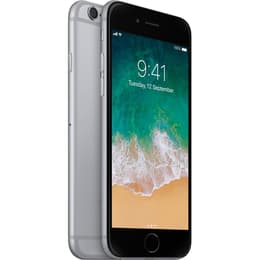
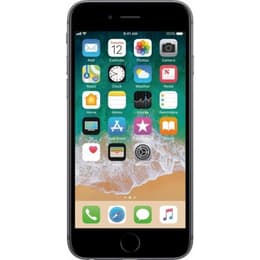
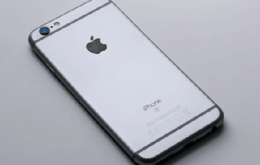
iPhone 6 • Unlocked vs iPhone 6s • Unlocked

iPhone 6 • Unlocked
iPhone 6 • Unlocked
See options
iPhone 6s • Unlocked
Starting at

Refurbished price:$59.00

Versus $159.00 new

See options

Ratings

The iPhone 6, released in September 2014, and the iPhone 6S, launched in September 2015, represent two consecutive generations of Apple's smartphone lineup. While they share a similar external design, the iPhone 6S introduced notable internal upgrades, including enhanced performance, improved camera capabilities, and a new pressure-sensing display technology. Both devices operate on Apple's iOS platform, offering a consistent user experience within the Apple ecosystem.

Scores

Durability

When considering the longevity of these devices, their release timelines and software support are key factors. The iPhone 6, introduced in 2014, received its last major iOS update with iOS 12.5.8, released in January 2026, primarily for security patches. The iPhone 6S, from 2015, benefits from a longer support cycle, with its last compatible version being iOS 15.8.7, released in March 2026.

  • Software Longevity: The iPhone 6S offers a longer period of software updates, extending its practical usability for applications that require more recent iOS versions.
  • Physical Durability: The iPhone 6S features a stronger 7000 series aluminum alloy in its construction, which provides increased resistance to bending compared to the iPhone 6's 6000 series aluminum.
  • Repairability: Both models generally share similar repairability characteristics, though the availability of parts and specialized technicians may vary due to their age.

Release Year

2014

2015

Last OS Compatibility

No

No

OS

iOS

iOS

Foldable

No

No

Performance

The performance difference between the iPhone 6 and iPhone 6S is a significant differentiator, impacting daily usage and application responsiveness.

  • Processing Power: The iPhone 6S features a newer processor and double the RAM (2GB compared to 1GB in the iPhone 6), resulting in noticeably faster app loading, smoother multitasking, and more fluid navigation through the operating system.
  • System Responsiveness: Users will experience a more responsive interface on the iPhone 6S, particularly when running demanding applications or switching between multiple tasks. The iPhone 6, while still functional for basic tasks, may exhibit slower performance and occasional delays with more intensive use.
  • Storage Performance: The iPhone 6S also incorporates faster internal storage technology, which contributes to quicker app installations and data access compared to its predecessor.

Memory

1 GB

2 GB

Screen quality

Both the iPhone 6 and iPhone 6S feature similar display specifications, but the 6S introduces a key interactive technology.

  • Display Technology and Resolution: Both devices are equipped with a 4.7-inch LED-backlit IPS LCD display, offering a resolution of 1334 x 750 pixels at 326 pixels per inch. This provides clear visuals for everyday tasks like browsing and media consumption.
  • Interactive Features: The iPhone 6S introduces 3D Touch, a pressure-sensitive technology that allows the screen to distinguish between a light tap and a harder press. This enables new interactions, such as 'Peek and Pop' for content previews and quick actions from app icons. The iPhone 6 does not include this feature.
  • Brightness and Clarity: Both screens offer comparable brightness levels and viewing angles, suitable for indoor and moderate outdoor use.

Resolution

750 x 1334

750 x 1334

Audiovisual

The camera systems received notable upgrades from the iPhone 6 to the iPhone 6S, impacting both still photography and video recording.

  • Rear Camera Capabilities: The iPhone 6 features an 8-megapixel rear camera, capable of recording 1080p video. The iPhone 6S significantly upgrades this to a 12-megapixel rear camera, which also introduces the ability to record 4K video.
  • Front Camera Enhancements: For selfies and video calls, the iPhone 6 has a 1.2-megapixel front-facing camera. The iPhone 6S improves this to a 5-megapixel front camera and includes a 'Retina Flash' feature, which uses the display to illuminate the subject in low-light conditions.
  • Additional Features: The iPhone 6S also introduced 'Live Photos,' which captures a short video clip alongside each still image, adding a dynamic element to photos.

Miscellaneous

Beyond core performance and display, several other practical elements differentiate these two iPhone models.

  • Connectivity and Sensors: Both devices support 4G LTE and Wi-Fi 802.11ac for internet connectivity. The iPhone 6S, however, supports LTE Advanced, potentially offering faster cellular data speeds in compatible areas. Both include NFC for Apple Pay and a Touch ID fingerprint sensor, though the 6S features a second-generation Touch ID that is faster and more accurate.
  • Physical Characteristics: The iPhone 6 measures 138.1 x 67.0 x 6.9 mm and weighs 129 grams. The iPhone 6S is slightly larger and heavier at 138.3 x 67.1 x 7.1 mm and 143 grams, partly due to the inclusion of 3D Touch technology and a stronger aluminum casing. Both retain the Lightning port and a 3.5mm headphone jack.
  • Battery Capacity: The iPhone 6 has an 1810 mAh battery, while the iPhone 6S has a slightly smaller 1715 mAh battery. Despite this, the more efficient processor in the iPhone 6S generally allows for comparable real-world battery performance for typical usage.

Weight

8000 oz

5 oz

Screen size (inches)

4.7

4.7

Network

LTE

LTE

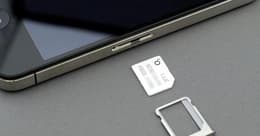
SIM card

Physical SIM

Physical SIM

Carrier compatibility

Unlocked

Unlocked

Connector

Lightning

Lightning + Jack 3.5mm

The iPhone 6 and iPhone 6S, while similar in appearance, offer distinct experiences shaped by their internal hardware and software capabilities. User feedback often highlights the iPhone 6S as a significant upgrade in terms of speed and camera quality, with many appreciating the introduction of 3D Touch and the faster Touch ID sensor. Common criticisms for both models, given their age, often revolve around battery degradation over time and the inability to run the very latest iOS versions, which can limit access to newer applications and features.

For users prioritizing a more responsive operating system, improved photography and video capabilities, and the interactive features of 3D Touch, the iPhone 6S may be the more suitable choice. Its extended software support also provides a slightly longer window for security updates and app compatibility. Conversely, individuals seeking a device for basic communication, web browsing, and light app usage, and who do not require the latest performance or camera features, might find the iPhone 6 sufficient. Both models are available as quality-assured refurbished options, providing an eco-friendly alternative for those looking to extend the life cycle of electronic products.

See all articles

Our recent comparisons