'%3e%3cpath%20fill='%23f0f0f0'%20d='M40%200H0v26.667h40V0'/%3e%3cpath%20fill='%23d80027'%20d='M40%2024.5v2.1H0v-2.1h40m0-2.15H0v-2.1h40v2.1m0-4H0v-2.1h40v2.1m0-4H0v-2.1h40v2.1m0-4.25H0V8h40v2.1m0-4H0V4h40v2.1m0-4H0V0h40v2.1'/%3e%3cpath%20fill='%232e52b2'%20d='M20%200H0v14.36h20V0'/%3e%3cpath%20fill='%23f0f0f0'%20d='M1.927%2012.964H2.5l-.464.337.178.545L1.75%2013.51l-.464.336.178-.545L1%2012.964h.573L1.75%2012.42l.177.545m3.172%200h.573l-.464.337.177.545-.463-.336-.464.336.178-.545-.464-.337h.573l.177-.545.177.545m3.172%200h.573L8.38%2013.301l.177.545-.463-.336-.464.336.177-.545-.463-.337h.572l.178-.545.177.545m3.171%200h.574l-.464.337.177.545-.463-.336-.464.336.177-.545-.463-.337h.572l.178-.545.176.545m3.485%200H15.5l-.464.337.178.545-.464-.336-.464.336.178-.545L14%2012.964h.573l.177-.545.177.545m3.5%200H19l-.464.337.178.545-.464-.336-.464.336.178-.545-.464-.337h.573l.177-.545.177.545m-15-1.406H4l-.464.337.178.545-.464-.337-.464.337.178-.545L2.5%2011.558h.573l.177-.545.177.545m3.172%200h.573l-.464.337.177.545-.463-.337-.464.337.178-.545-.464-.337h.573l.177-.545.177.545m3.172%200h.573L9.88%2011.895l.177.545-.463-.337L9.13%2012.44l.177-.545-.463-.337h.572l.178-.545.177.545m3.171%200h.574l-.464.337.177.545-.463-.337-.464.337.177-.545-.463-.337h.572l.178-.545.176.545m3.485%200H17l-.464.337.178.545-.464-.337-.464.337.178-.545-.464-.337h.573l.177-.545.177.545m-14.5-1.57H2.5l-.464.337.178.545-.464-.337-.464.337.178-.545L1%209.988h.573L1.75%209.443l.177.545m3.172%200h.573l-.464.337.177.545-.463-.337-.464.337.178-.545-.464-.337h.573l.177-.545.177.545m3.172%200h.573L8.38%2010.325l.177.545-.463-.337L7.63%2010.87l.177-.545-.463-.337h.572l.178-.545.177.545m3.171%200h.574l-.464.337.177.545-.463-.337-.464.337.177-.545-.463-.337h.572l.178-.545.176.545m3.485%200H15.5l-.464.337.178.545-.464-.337-.464.337.178-.545L14%209.988h.573l.177-.545.177.545m3.5%200H19l-.464.337.178.545-.464-.337-.464.337.178-.545L17.5%209.988h.573l.177-.545.177.545m-15-1.43H4L3.536%208.895%203.714%209.44%203.25%209.103%202.786%209.44l.178-.545L2.5%208.558h.573L3.25%208.013l.177.545m3.172%200h.573L6.708%208.895%206.885%209.44%206.422%209.103%205.958%209.44l.178-.545-.464-.337h.573l.177-.545.177.545m3.172%200h.573L9.88%208.895l.177.545-.463-.337L9.13%209.44l.177-.545-.463-.337h.572l.178-.545.177.545m3.171%200h.574l-.464.337.177.545-.463-.337-.464.337.177-.545-.463-.337h.572l.178-.545.176.545m3.485%200H17l-.464.337.178.545-.464-.337-.464.337.178-.545L15.5%208.558h.573l.177-.545.177.545m-14.5-1.547H2.5L2.036%207.348l.178.545L1.75%207.556%201.286%207.893l.178-.545L1%207.011h.573L1.75%206.466l.177.545m3.172%200h.573L5.208%207.348l.177.545-.463-.337-.464.337.178-.545-.464-.337h.573l.177-.545.177.545m3.172%200h.573L8.38%207.348l.177.545-.463-.337L7.63%207.893l.177-.545-.463-.337h.572l.178-.545.177.545m3.171%200h.574l-.464.337.177.545-.463-.337-.464.337.177-.545-.463-.337h.572l.178-.545.176.545m3.485%200H15.5l-.464.337.178.545-.464-.337-.464.337.178-.545L14%207.011h.573l.177-.545.177.545m3.5%200H19l-.464.337.178.545-.464-.337-.464.337.178-.545L17.5%207.011h.573l.177-.545.177.545m-15-1.453H4L3.536%205.895%203.714%206.44%203.25%206.103%202.786%206.44l.178-.545L2.5%205.558h.573L3.25%205.013l.177.545m3.172%200h.573L6.708%205.895%206.885%206.44%206.422%206.103%205.958%206.44l.178-.545-.464-.337h.573l.177-.545.177.545m3.172%200h.573L9.88%205.895l.177.545-.463-.337L9.13%206.44l.177-.545-.463-.337h.572l.178-.545.177.545m3.171%200h.574l-.464.337.177.545-.463-.337-.464.337.177-.545-.463-.337h.572l.178-.545.176.545m3.485%200H17l-.464.337.178.545-.464-.337-.464.337.178-.545L15.5%205.558h.573l.177-.545.177.545m-14.5-1.523H2.5L2.036%204.37l.178.545L1.75%204.58%201.286%204.916l.178-.545L1%204.035h.573L1.75%203.49l.177.545m3.172%200h.573L5.208%204.37l.177.545L4.922%204.58%204.458%204.916l.178-.545-.464-.336h.573L4.922%203.49l.177.545m3.172%200h.573L8.38%204.37l.177.545L8.094%204.58%207.63%204.916l.177-.545-.463-.336h.572L8.094%203.49%208.27%204.035m3.171%200h.574L11.552%204.37l.177.545-.463-.337-.464.337.177-.545-.463-.336h.572l.178-.545.176.545m3.485%200H15.5L15.036%204.37l.178.545L14.75%204.58l-.464.337.178-.545L14%204.035h.573L14.75%203.49l.177.545m3.5%200H19L18.536%204.37l.178.545L18.25%204.58l-.464.337.178-.545L17.5%204.035h.573L18.25%203.49l.177.545m-15-1.477H4L3.536%202.895%203.714%203.44%203.25%203.103%202.786%203.44l.178-.545L2.5%202.558h.573L3.25%202.013l.177.545m3.172%200h.573L6.708%202.895%206.885%203.44%206.422%203.103%205.958%203.44l.178-.545-.464-.337h.573l.177-.545.177.545m3.172%200h.573L9.88%202.895l.177.545-.463-.337L9.13%203.44l.177-.545-.463-.337h.572l.178-.545.177.545m3.171%200h.574l-.464.337.177.545-.463-.337-.464.337.177-.545-.463-.337h.572l.178-.545.176.545m3.485%200H17l-.464.337.178.545-.464-.337-.464.337.178-.545L15.5%202.558h.573l.177-.545.177.545m-14.5-1.5H2.5L2.036%201.395%202.214%201.94%201.75%201.603%201.286%201.94l.178-.545L1%201.058h.573L1.75.513l.177.545m3.172%200h.573L5.208%201.395%205.385%201.94%204.922%201.603%204.458%201.94l.178-.545-.464-.337h.573l.177-.545.177.545m3.172%200h.573L8.38%201.395%208.557%201.94%208.094%201.603%207.63%201.94l.177-.545-.463-.337h.572l.178-.545.177.545m3.171%200h.574l-.464.337.177.545-.463-.337-.464.337.177-.545-.463-.337h.572l.178-.545.176.545m3.485%200H15.5l-.464.337.178.545-.464-.337-.464.337.178-.545L14%201.058h.573l.177-.545.177.545m3.5%200H19l-.464.337.178.545-.464-.337-.464.337.178-.545L17.5%201.058h.573l.177-.545.177.545'/%3e%3c/g%3e%3cdefs%3e%3cclipPath%20id='country-flag-us-a'%3e%3cpath%20fill='%23fff'%20d='M0%200h40v26.67H0z'/%3e%3c/clipPath%3e%3c/defs%3e%3c/svg%3e)
'%3e%3cpath%20fill='%23f0f0f0'%20d='M40%200H0v26.666h40V0'/%3e%3cpath%20fill='%23d80027'%20d='M40%200H0v8.889h40V0m0%2017.778H0v8.888h40v-8.888'/%3e%3c/g%3e%3cdefs%3e%3cclipPath%20id='country-flag-at-a'%3e%3cpath%20fill='%23fff'%20d='M0%200h40v26.67H0z'/%3e%3c/clipPath%3e%3c/defs%3e%3c/svg%3e)
'%3e%3cpath%20fill='%2310338c'%20d='M0%200h40v26.67H0V0'/%3e%3cpath%20fill='%23fff'%20d='m9.899%2016.971.856%201.828%201.922-.455-.856%201.82%201.549%201.261-1.93.447.008%202.028-1.55-1.27-1.54%201.27.008-2.028-1.93-.447%201.548-1.26-.863-1.82%201.93.454.848-1.828m20.226%203.552.404.87.919-.215-.413.87.74.599-.919.207v.974l-.732-.607-.739.607.008-.974-.918-.207.739-.599-.412-.87.918.215.405-.87M25.097%209.986l.405.87.918-.215-.412.87.74.599-.92.215v.966l-.73-.607-.74.607.008-.966-.926-.215.739-.599-.412-.87.918.215.412-.87m5.028-7.2.404.87.919-.215-.413.87.74.598-.919.216V6.09l-.732-.607-.739.607.008-.966-.918-.216.739-.598-.412-.87.918.215.405-.87m4.552%205.245.405.87L36%208.685l-.413.87.74.599-.918.207v.974l-.732-.606-.74.606v-.974l-.918-.207.74-.599-.413-.87.919.216.412-.87m-2.91%205.26.319%201.014h1.035l-.84.623.326%201.013-.84-.63-.84.63.318-1.014-.833-.622h1.036l.319-1.014M19.922%200v2.443l-3.51%202.003h3.51V9.18h-4.599l4.6%202.618v1.828h-2.079l-5.72-3.264v3.264H7.799v-3.88l-6.802%203.88H0v-2.442L3.518%209.18H0V4.446h4.6L0%201.82V0h2.078l5.72%203.257V0h4.326v3.88L18.935%200h.988'/%3e%3cpath%20fill='%23d80027'%20d='M11.206%200h-2.49v5.532H0v2.554h8.716v5.54h2.49v-5.54h8.716V5.532h-8.716V0'/%3e%3cpath%20fill='%230052b4'%20d='m12.125%209.18%207.797%204.446v-1.26L14.335%209.18h-2.21'/%3e%3cpath%20fill='%23fff'%20d='m12.125%209.18%207.797%204.446v-1.26L14.335%209.18h-2.21'/%3e%3cpath%20fill='%23d80027'%20d='m12.125%209.18%207.797%204.446v-1.26L14.335%209.18h-2.21m-6.53%200L0%2012.365v1.261L7.798%209.18H5.595'/%3e%3cpath%20fill='%230052b4'%20d='M7.798%204.446%200%200v1.253l5.595%203.193h2.203'/%3e%3cpath%20fill='%23fff'%20d='M7.798%204.446%200%200v1.253l5.595%203.193h2.203'/%3e%3cpath%20fill='%23d80027'%20d='M7.798%204.446%200%200v1.253l5.595%203.193h2.203m6.537%200%205.587-3.193V0l-7.798%204.446h2.21'/%3e%3c/g%3e%3cdefs%3e%3cclipPath%20id='country-flag-au-a'%3e%3cpath%20fill='%23fff'%20d='M0%200h40v26.67H0z'/%3e%3c/clipPath%3e%3c/defs%3e%3c/svg%3e)
'%3e%3cpath%20fill='%23ffda44'%20d='M40%200H0v26.67h40V0'/%3e%3cpath%20fill='%23000'%20d='M13.333%200H0v26.67h13.333V0'/%3e%3cpath%20fill='%23d80027'%20d='M40%200H26.667v26.67H40V0'/%3e%3c/g%3e%3cdefs%3e%3cclipPath%20id='country-flag-be-a'%3e%3cpath%20fill='%23fff'%20d='M0%200h40v26.67H0z'/%3e%3c/clipPath%3e%3c/defs%3e%3c/svg%3e)
'%3e%3cpath%20fill='%23000'%20d='M40%200H0v8.89h40V0'/%3e%3cpath%20fill='%23d80027'%20d='M40%208.89H0v8.89h40V8.89'/%3e%3cpath%20fill='%23ffda44'%20d='M40%2017.78H0v8.89h40v-8.89'/%3e%3c/g%3e%3cdefs%3e%3cclipPath%20id='country-flag-de-a'%3e%3cpath%20fill='%23fff'%20d='M0%200h40v26.67H0z'/%3e%3c/clipPath%3e%3c/defs%3e%3c/svg%3e)
'%3e%3cpath%20fill='%23ffda44'%20d='M40%200H0v26.667h40V0'/%3e%3cpath%20fill='%23d80027'%20d='M40%200H0v8.889h40V0m0%2017.777H0v8.89h40v-8.89'/%3e%3c/g%3e%3cdefs%3e%3cclipPath%20id='country-flag-es-a'%3e%3cpath%20fill='%23fff'%20d='M0%200h40v26.67H0z'/%3e%3c/clipPath%3e%3c/defs%3e%3c/svg%3e)
'%3e%3cpath%20fill='%23f0f0f0'%20d='M40%200H0v26.667h40V0'/%3e%3cpath%20fill='%232e52b2'%20d='M40%2011.667V15H14.348v11.667h-3.334V15H0v-3.333h11.014V0h3.334v11.667H40'/%3e%3c/g%3e%3cdefs%3e%3cclipPath%20id='country-flag-fi-a'%3e%3cpath%20fill='%23fff'%20d='M0%200h40v26.67H0z'/%3e%3c/clipPath%3e%3c/defs%3e%3c/svg%3e)
'%3e%3cpath%20fill='%23f0f0f0'%20d='M40%200H0v26.667h40V0'/%3e%3cpath%20fill='%230052b4'%20d='M13.333%200H0v26.667h13.333V0'/%3e%3cpath%20fill='%23d80027'%20d='M40%200H26.667v26.667H40V0'/%3e%3c/g%3e%3cdefs%3e%3cclipPath%20id='country-flag-fr-a'%3e%3cpath%20fill='%23fff'%20d='M0%200h40v26.67H0z'/%3e%3c/clipPath%3e%3c/defs%3e%3c/svg%3e)
'%3e%3cpath%20fill='%23f0f0f0'%20d='M40%200H0v26.667h40V0'/%3e%3cpath%20fill='%23d80027'%20d='M22.5%200h-5v10.833H0v5h17.5v10.833h5V15.833H40v-5H22.5V0'/%3e%3cpath%20fill='%230052b4'%20d='M30.765%2017.97%2040%2023.102v-5.13h-9.235m-6.417-.002L40%2026.667v-2.459l-11.226-6.236h-4.426m11.482%208.694-11.482-6.38v6.38H35.83'/%3e%3cpath%20fill='%23f0f0f0'%20d='M24.348%2017.97%2040%2026.667v-2.459l-11.226-6.236h-4.426'/%3e%3cpath%20fill='%23d80027'%20d='M24.348%2017.97%2040%2026.667v-2.459l-11.226-6.236h-4.426'/%3e%3cpath%20fill='%230052b4'%20d='M7.058%2017.97%200%2021.891v-3.92h7.058m8.594%201.105v7.59H1.992l13.66-7.59'/%3e%3cpath%20fill='%23d80027'%20d='M11.226%2017.97%200%2024.208v2.46l15.652-8.696h-4.426'/%3e%3cpath%20fill='%230052b4'%20d='M9.235%208.696%200%203.565v5.13h9.235m6.417.001L0%200v2.459l11.226%206.237h4.426M4.17%200l11.482%206.38V0H4.17'/%3e%3cpath%20fill='%23f0f0f0'%20d='M15.652%208.696%200%200v2.459l11.226%206.237h4.426'/%3e%3cpath%20fill='%23d80027'%20d='M15.652%208.696%200%200v2.459l11.226%206.237h4.426'/%3e%3cpath%20fill='%230052b4'%20d='M32.942%208.696%2040%204.774v3.922h-7.058M24.348%207.59V0h13.66l-13.66%207.59'/%3e%3cpath%20fill='%23d80027'%20d='M28.774%208.696%2040%202.459V0L24.348%208.696h4.426'/%3e%3c/g%3e%3cdefs%3e%3cclipPath%20id='country-flag-gb-a'%3e%3cpath%20fill='%23fff'%20d='M0%200h40v26.67H0z'/%3e%3c/clipPath%3e%3c/defs%3e%3c/svg%3e)
'%3e%3cpath%20fill='%23f0f0f0'%20d='M40%200H0v26.666h40V0'/%3e%3cpath%20fill='%23338af3'%20d='M40%200H0v3.333h40V0m0%206.667H0V10h40V6.667m0%206.667H0v3.333h40v-3.334M40%2020H0v3.333h40V20'/%3e%3cpath%20fill='%23338af3'%20d='M14.782%200H0v13.334h14.782V0'/%3e%3cpath%20fill='%23f0f0f0'%20d='M14.782%205.186H0v2.962h14.782V5.186'/%3e%3cpath%20fill='%23f0f0f0'%20d='M8.872%200H5.91v13.334h2.962V0'/%3e%3c/g%3e%3cdefs%3e%3cclipPath%20id='country-flag-gr-a'%3e%3cpath%20fill='%23fff'%20d='M0%200h40v26.67H0z'/%3e%3c/clipPath%3e%3c/defs%3e%3c/svg%3e)
'%3e%3cpath%20fill='%23f0f0f0'%20d='M40%200H0v26.666h40V0'/%3e%3cpath%20fill='%236da544'%20d='M13.333%200H0v26.667h13.333V0'/%3e%3cpath%20fill='%23ff9811'%20d='M40%200H26.667v26.667H40V0'/%3e%3c/g%3e%3cdefs%3e%3cclipPath%20id='country-flag-ie-a'%3e%3cpath%20fill='%23fff'%20d='M0%200h40v26.67H0z'/%3e%3c/clipPath%3e%3c/defs%3e%3c/svg%3e)
'%3e%3cpath%20fill='%23f0f0f0'%20d='M26.667%200H0v26.667h40V0H26.667'/%3e%3cpath%20fill='%236da544'%20d='M13.333%200H0v26.667h13.333V0'/%3e%3cpath%20fill='%23d80027'%20d='M40%200H26.667v26.667H40V0'/%3e%3c/g%3e%3cdefs%3e%3cclipPath%20id='country-flag-it-a'%3e%3cpath%20fill='%23fff'%20d='M0%200h40v26.67H0z'/%3e%3c/clipPath%3e%3c/defs%3e%3c/svg%3e)
'%3e%3cpath%20fill='%23f0f0f0'%20fill-rule='evenodd'%20d='M0%20.86h40v26.67H0V.86'%20clip-rule='evenodd'/%3e%3cpath%20fill='%23d80027'%20d='M20%2021.835a8.5%208.5%200%201%200%200-17%208.5%208.5%200%200%200%200%2017'/%3e%3c/g%3e%3cdefs%3e%3cclipPath%20id='country-flag-jp-a'%3e%3cpath%20fill='%23fff'%20d='M0%200h40v26.67H0z'/%3e%3c/clipPath%3e%3c/defs%3e%3c/svg%3e)
'%3e%3cpath%20fill='%23a2001d'%20d='M40%200H0v8.89h40V0'/%3e%3cpath%20fill='%23f0f0f0'%20d='M40%208.89H0v8.89h40V8.89'/%3e%3cpath%20fill='%230052b4'%20d='M40%2017.78H0v8.89h40v-8.89'/%3e%3c/g%3e%3cdefs%3e%3cclipPath%20id='country-flag-nl-a'%3e%3cpath%20fill='%23fff'%20d='M0%200h40v26.67H0z'/%3e%3c/clipPath%3e%3c/defs%3e%3c/svg%3e)
'%3e%3cpath%20fill='%23d80027'%20d='M40%200H0v26.666h40V0'/%3e%3cpath%20fill='%236da544'%20d='M15.363%200v26.666H0V0h15.363'/%3e%3cpath%20fill='%23ffda44'%20d='M15.363%2018.335a5%205%200%201%200%200-10%205%205%200%200%200%200%2010'/%3e%3cpath%20fill='%23d80027'%20d='M12.55%2010.835v3.125a2.813%202.813%200%200%200%205.625%200v-3.125H12.55'/%3e%3cpath%20fill='%23f0f0f0'%20d='M15.362%2014.898a.94.94%200%200%201-.937-.938v-1.25H16.3v1.25a.94.94%200%200%201-.938.938'/%3e%3c/g%3e%3cdefs%3e%3cclipPath%20id='country-flag-pt-a'%3e%3cpath%20fill='%23fff'%20d='M0%200h40v26.67H0z'/%3e%3c/clipPath%3e%3c/defs%3e%3c/svg%3e)
'%3e%3cpath%20fill='%230052b4'%20d='M40%200H0v26.667h40V0'/%3e%3cpath%20fill='%23ffda44'%20d='M15%200h-5v10.833H0v5h10v10.834h5V15.833h25v-5H15V0'/%3e%3c/g%3e%3cdefs%3e%3cclipPath%20id='country-flag-se-a'%3e%3cpath%20fill='%23fff'%20d='M0%200h40v26.67H0z'/%3e%3c/clipPath%3e%3c/defs%3e%3c/svg%3e)
'%3e%3cpath%20fill='%23f0f0f0'%20d='M40%200H0v26.666h40V0'/%3e%3cpath%20fill='%230052b4'%20d='M40%208.696H0v9.275h40V8.696'/%3e%3cpath%20fill='%23d80027'%20d='M40%2017.97H0v8.696h40v-8.695'/%3e%3cpath%20fill='%23f0f0f0'%20d='M10.115%207.538v6.651c0%203.784%204.942%204.943%204.942%204.943S20%2017.972%2020%2014.189V7.538h-9.885'/%3e%3cpath%20fill='%23d80027'%20d='M11.416%207.733v6.402a2.7%202.7%200%200%200%20.283%201.21h6.717a2.7%202.7%200%200%200%20.283-1.21V7.733h-7.283'/%3e%3cpath%20fill='%23f0f0f0'%20d='M17.29%2012.196h-1.675v-1.115h1.116V9.965h-1.116V8.849H14.5v1.116h-1.115v1.116H14.5v1.115h-1.673v1.116H14.5v1.116h1.116v-1.116h1.674v-1.116'/%3e%3cpath%20fill='%230052b4'%20d='M13.221%2016.902a8%208%200%200%200%201.836.83%208%208%200%200%200%201.836-.83q1.09-.685%201.523-1.558a1.94%201.94%200%200%200-1.57-.306%201.953%201.953%200%200%200-3.576%200%201.96%201.96%200%200%200-1.57.306q.433.872%201.521%201.558'/%3e%3c/g%3e%3cdefs%3e%3cclipPath%20id='country-flag-sk-a'%3e%3cpath%20fill='%23fff'%20d='M0%200h40v26.67H0z'/%3e%3c/clipPath%3e%3c/defs%3e%3c/svg%3e)


Nowadays, buying a new or refurbished Apple iPhone can feel like a dreaded administrative task. This is especially true when you factor in that there are so many to choose from at varying price points offering different features. Fortunately, the decision fatigue becomes easier to navigate when you have a few of the best to compare all in one place — we’ve done the research on the best iPhones this year so you don’t have to.
✨ TL;DR: Which iPhone to buy
✨For most people, the iPhone 17 is the best iPhone, with a beautiful ProMotion display and no Pro model price tag. If you want Pro-level features for less, the iPhone 16 Pro is a great refurbished option. For photography and battery life, the iPhone 17 Pro Max is the right choice. On a budget, the iPhone 17e offers incredible value. The iPhone 15 Plus gives you a generous screen without Pro Max pricing. And the iPhone 14, though older, remains an appealing first iPhone or lower-cost choice for a family member.
Why can you trust this list of the best refurbished iPhones?
Our professional third-party refurbishers often see iPhones at stages in the phones’ lifecycle that few consumers do. These refurbishers work with iPhones and other devices that have already lived in pockets, survived commutes, and endured years of people saying they “barely” used their phone... all while they averaged 7 hours of screen time daily.
This means our refurbishers have had their fair share of experience evaluating iPhone condition, and they know how to assess, clean, repair, and refurbish them. In fact, all Back Market iPhones undergo inspections covering up to 100 points, and we also set a minimum battery health requirement of 80%.
Due to these extensive checks, the techs also have a pretty good idea of the various models' features and specs, so they can reliably speak to what these phones offer. So, you can trust their knowledge of what makes these phones worth a second look.
For this guide, our team at Back Market also checked the specifications against Apple’s published figures. We then judged which differences deserve your money and which ones look more exciting on a launch slide than they feel on a Tuesday afternoon to help you make the best purchasing decision.

Best iPhone for most people who want a responsive display, capable cameras, and a current model without paying for Pro extras.

Best refurbished value iPhone for buyers who want ProMotion and dedicated 5x optical zoom for below current Pro pricing.

Best iPhone for photography, long days away from a charger, and buyers who prefer Apple’s largest display.

Best lower-cost current iPhone for buyers who prioritize storage and years of software eligibility.

Best large-screen iPhone for streaming or easy reading without paying for a Pro Max.
Best affordable first iPhone or practical choice for a child, parent, senior, or light user.
Best iPhone for most people: The iPhone 17

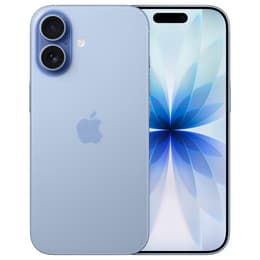
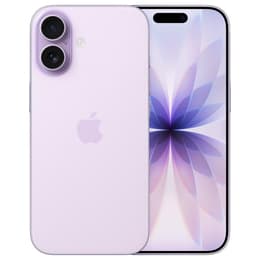
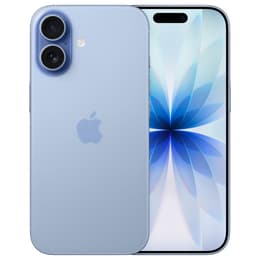
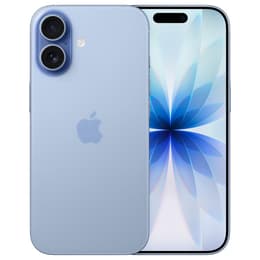
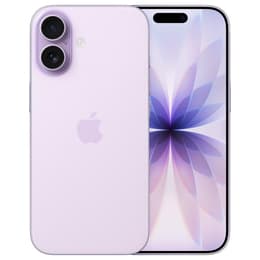
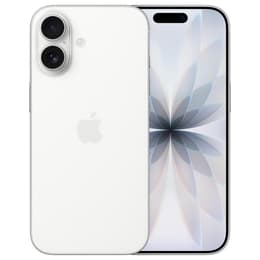
The iPhone 17 brings ProMotion technology to Apple’s standard model.
✨ The iPhone 17 is the easy choice when you want a current model that already includes the screen upgrade most buyers would notice every day.
For years, Apple was admittedly a bit greedy, keeping ProMotion technology behind the Pro model badge. But the new Apple iPhone 17 is finally the first standard model to gain access to this feature. If you've had your eye on ProMotion technology but could never bring yourself to pay Pro model prices, this might be the time to seize the opportunity the 17 base model presents.
With a ProMotion display, you'll enjoy a refresh rate of 120Hz, which offers — dare we say it — super-fluid scrolling and gaming. It also provides dynamic scaling down to as low as 1Hz for static images to preserve battery life. Besides ProMotion technology, you also get the attractive 6.3-inch OLED screen alongside the A19 chip, a dual 48MP fusion camera system, and an 18MP Center Stage camera with a new square sensor.
The main camera on the iPhone 17 can also produce 2x optical-quality shots, which is hugely useful for portraits and closer framing. If you take a lot of selfies, you’ll appreciate the separate 18MP Center Stage front camera, which can automatically widen the frame and rotate to include more people.
Unfortunately, no phone is perfect, and the base model does lack a long-range telephoto lens that is still only found on Pro models. But hey, we get it: they still had to keep some of the best features behind the Pro badge.
What are the pros and cons of the iPhone 17?
Pros ✅ | Cons ❌ |
|---|---|
ProMotion display with screen refresh rate of up to 120Hz | No separate long-range telephoto lens |
Dual 48MP fusion cameras | Costs more than older refurbished models |
256GB starting storage | Pro Max lasts longer during Apple’s battery test |
What are the specifications of the iPhone 17?
Display: 6.3-inch Super Retina XDR OLED with ProMotion and an Always-On display
Chip: A19
Rear cameras: 48MP Fusion Main with 2x optical-quality telephoto, plus a 48MP Fusion Ultra Wide
Front camera: 18MP Center Stage camera
Battery life: Up to 30 hours of video playback
Storage: 256GB or 512GB
Charging: USB-C with MagSafe wireless charging


- (8)
Refurbished price:$700.00
Versus $799.00 new


Refurbished price:$26.99
Refurbished price:$29.99
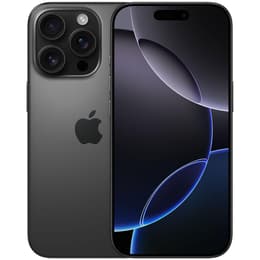
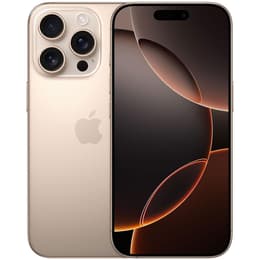
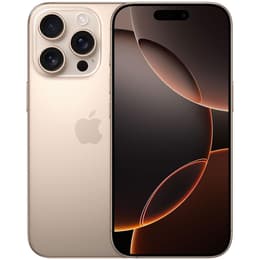
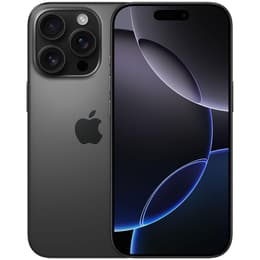
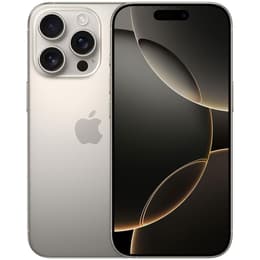
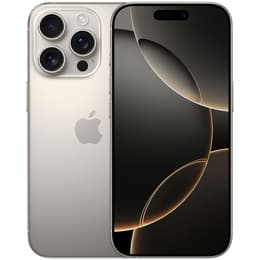
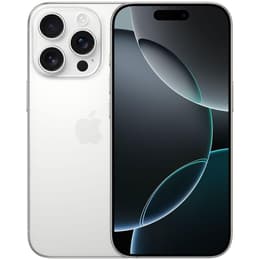
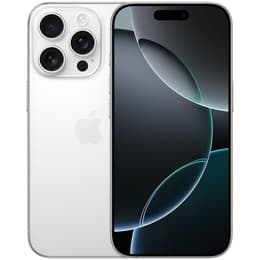
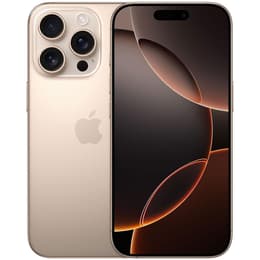
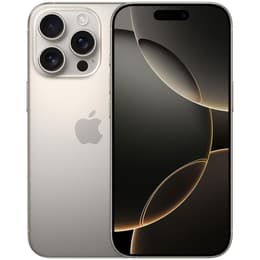
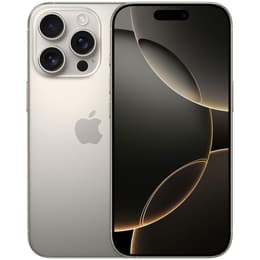
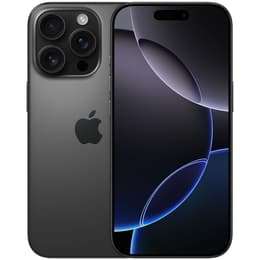
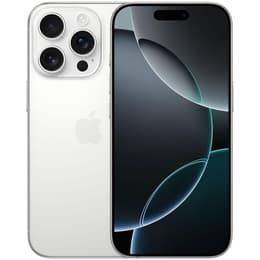
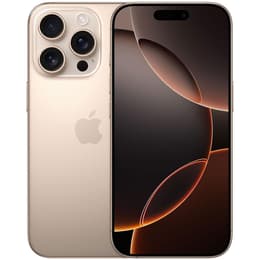
Best refurbished Pro value: The iPhone 16 Pro

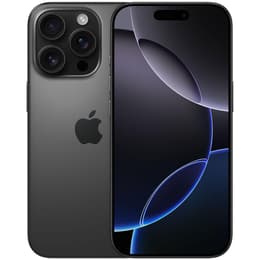
The iPhone 16 Pro contains a more ambitious camera system.
✨ The iPhone 16 Pro is a shrewd purchase when Pro-level display and performance features matter more than owning the newest generation.
We get it: Pro-level features are simply delicious when it comes to Apple iPhones. But the prices? Not so much. Luckily, there is a workaround price-wise: buying a slightly older Pro model like the iPhone 16 Pro. This model gives you access to premium features without the newest Pro price tag.
The iPhone 16 Pro with its 6.3-inch ProMotion display gives you a refresh rate of up to 120Hz and an Always-On display, so these are upgrades you can appreciate every time you scroll, game, or glance at the screen. It also offers 4K video at 120 fps and studio audio with an Audio Mix feature that uses AI to help you isolate voices, adjust studio effects post-capture, and even lower background noise.
There is also a dedicated camera control button. You can use it to adjust various settings, including exposure and zoom alongside photographic styles, adding even more value if you also care about photography. Its separate 5x telephoto lens is pretty nifty, too, since it gives you far more reach than even the newest iPhone 17 base model. Together, those features give buyers a lot of Pro camera hardware for less than the newest Pro models.
Additionally, even though it is an older model, the iPhone 16 Pro uses an A18 Pro chip, which has left ample room for future updates and is designed to drive AI workloads and improve graphics. That's why the iPhone 16 Pro is a serious contender for the best iPhone for your money.
What are the pros and cons of the iPhone 16 Pro?
Pros ✅ | Cons ❌ |
|---|---|
Separate 5x telephoto camera | One generation older than the iPhone 17 |
ProMotion display | Heavier than the standard iPhone 17 |
Excellent refurbished value | Lower battery rating than the 17 Pro Max |
What are the specifications of the iPhone 16 Pro?
Display: 6.3-inch Super Retina XDR OLED with ProMotion and an Always-On display
Chip: A18 Pro
Rear cameras: 48MP Fusion, 48MP Ultra Wide, and 12MP 5x Telephoto
Front camera: 12MP TrueDepth camera
Battery: Up to 27 hours of video playback
Storage: 128GB, 256GB, 512GB, or 1TB
Charging: USB-C with MagSafe wireless charging up to 25W
- (780)
Refurbished price:$690.00
Versus $999.00 new
- (783)
Refurbished price:$719.00
Versus $1,099.00 new
- (778)
Refurbished price:$685.79
Versus $999.00 new
- (787)
Refurbished price:$744.00
Versus $1,099.00 new
- (783)
Refurbished price:$807.00
Versus $1,299.00 new
- (778)
Refurbished price:$742.00
Versus $1,099.00 new
- (756)
Refurbished price:$721.00
Versus $999.00 new
- (774)
Refurbished price:$721.00
Versus $999.00 new
- (772)
Refurbished price:$779.00
Versus $1,099.00 new
- (780)
Refurbished price:$799.00
Versus $1,299.00 new
- (785)
Refurbished price:$805.00
Versus $1,299.00 new
- (734)
Refurbished price:$945.96
Versus $1,499.00 new
- (726)
Refurbished price:$1,100.00
Versus $1,499.00 new
- (756)
Refurbished price:$834.00
Versus $1,299.00 new
- (747)
Refurbished price:$855.00
Versus $1,499.00 new
- (787)
Refurbished price:$959.00
Versus $1,499.00 new

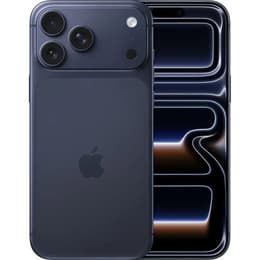
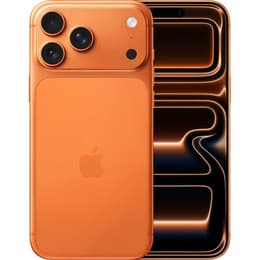
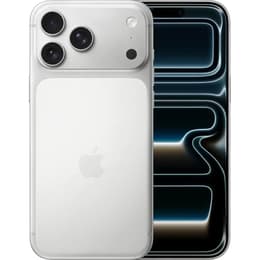
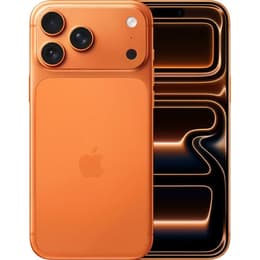
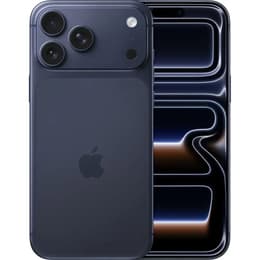
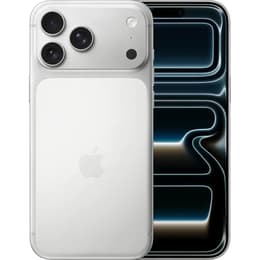
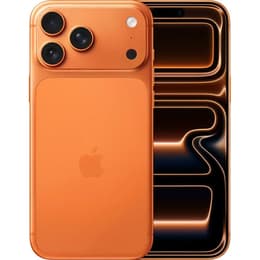
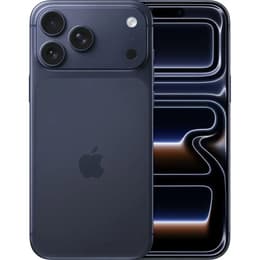
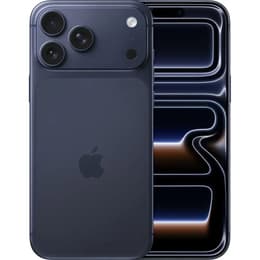
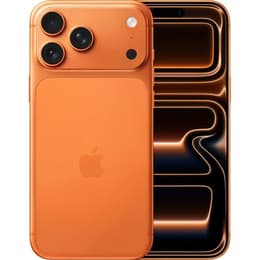
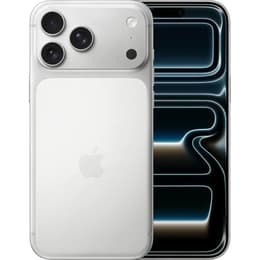
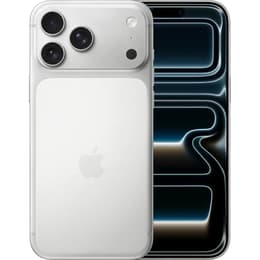
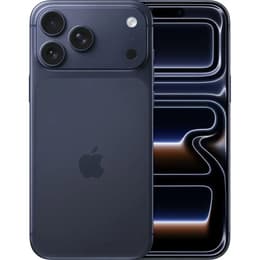
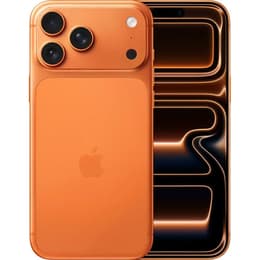
Best iPhone for photography and battery life: The iPhone 17 Pro Max

The iPhone 17 Pro Max is built for buyers who will use its extra battery time and camera reach.
✨ The iPhone 17 Pro Max earns its keep when running out of battery or missing a distant shot would genuinely bother you.
When you need an excellent camera and the best iPhone for battery life, you won’t go wrong with the iPhone 17 Pro Max. This iPhone is undoubtedly the most expensive choice, even if you buy refurbished, but it's an absolute powerhouse.
The 17 Pro Max packs 3 high-resolution 48MP sensors, which enable 24MP super-high-resolution photos by default. This iPhone also has 4x optical zoom and 8x optical-quality framing. When you pair that camera reach with the Pro Max’s longer battery life and larger display, it becomes our best overall photography pick when distant subjects or creative work matter. The smaller iPhone 17 Pro carries the same three-camera setup, so it's worth a look if you want that reach in a 6.3-inch body. Our guide to the best iPhone for photos can also give you more insight into iPhone camera systems.
Additionally, its massive 6.9-inch ProMotion OLED Super Retina XDR display offers crisp video playback, and its A19 Pro chip stays cool thanks to an Apple-designed vapor chamber that draws heat away from the processor. This keeps performance stable during demanding tasks and AAA gaming.
Battery-wise, Apple rates it for up to 39 hours of video playback, which is 6 hours more than the 17 Pro. It's nearly unbeatable within the current iPhone range.
What are the pros and cons of the iPhone 17 Pro Max?
Pros ✅ | Cons ❌ |
|---|---|
Apple’s longest video-playback rating battery-wise | Highest-priced recommendation |
Greater telephoto camera reach | Large enough to feel cumbersome |
6.9-inch ProMotion display | More camera power than casual users may need |
What are the specifications of the iPhone 17 Pro Max?
Display: 6.9-inch Super Retina XDR OLED with ProMotion and an Always-On display
Chip: A19 Pro
Rear cameras: 48MP Fusion Main, 48MP Fusion Ultra Wide, and 48MP Fusion Telephoto
Front camera: 18MP Center Stage camera
Zoom: 4x optical telephoto with an 8x optical-quality option
Battery: Up to 39 hours of video playback
Storage: 256GB, 512GB, 1TB, or 2TB
Charging: USB-C with MagSafe and Qi2 wireless charging up to 25W
- (137)
Refurbished price:$1,195.00
Versus $1,399.00 new
- (141)
Refurbished price:$1,200.00
Versus $1,399.00 new
- (146)
Refurbished price:$1,379.00
Versus $1,599.00 new
- (144)
Refurbished price:$1,431.24
Versus $1,599.00 new
Refurbished price:$977.00
Versus $1,199.00 new
Refurbished price:$1,019.00
Versus $1,199.00 new
- (3)
Refurbished price:$1,047.98
Versus $1,199.00 new
- (6)
Refurbished price:$1,129.00
Versus $1,199.00 new
- (2)
Refurbished price:$1,157.00
Versus $1,199.00 new
- (122)
Refurbished price:$1,549.00
Versus $1,999.00 new
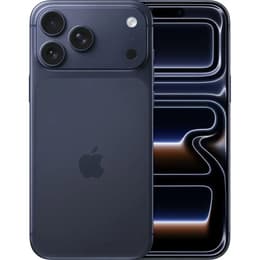

Best budget current iPhone: The iPhone 17e

The iPhone 17e cuts the entry price to Apple’s ecosystem while keeping the A19 chip and MagSafe charging.
✨ The iPhone 17e is the best budget iPhone when you want current hardware and generous storage over camera variety or ProMotion technology.
When camera and screen quality don’t matter more than what’s friendly for your budget, the iPhone 17e is worth a second look. This modest iPhone is almost unbelievably powered by the same A19 chip found in the standard 17 model and offers impressive storage options starting at 256GB.
With a starting price of $599, it's the least expensive member of the current iPhone 17 lineup. It also supports Apple Intelligence and full 15W MagSafe wireless charging, which is incredibly convenient. And for all of you who are a little rougher on your phones, it comes with a highly durable Ceramic Shield 2 screen.
So, its lower cost doesn’t come from Apple rummaging through its old processor drawer… but then why is this model so much cheaper?
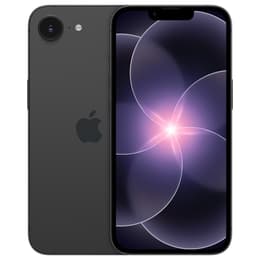
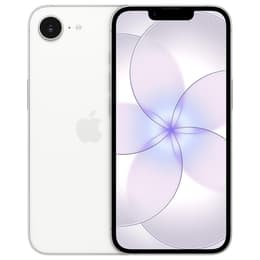
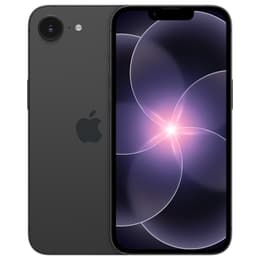
The price compromise comes from the phone's smaller 6.1-inch OLED screen that lacks ProMotion technology and its camera system, which offers only one rear lens for photography with no dedicated long telephoto mode or Ultra Wide lens. However, the 48MP Fusion camera is still good enough for most people, as it can create 2x optical-quality images.
Buyers comparing the best cheap iPhone options should also browse our best cheap iPhones guide. It might give you a few more ideas of what models to look at if you’re not feeling the 17e.
What are the pros and cons of the iPhone 17e?
Pros ✅ | Cons ❌ |
|---|---|
$599 launch price with 256GB | Display lacks ProMotion technology |
Current A19 chip | Only one rear lens |
MagSafe and USB-C charging | No Ultra Wide camera |
What are the specifications of the iPhone 17e?
Display: 6.1-inch Super Retina XDR OLED
Chip: A19
Rear camera: 48MP Fusion camera with 2x optical-quality framing
Front camera: 12MP TrueDepth camera
Battery: Up to 26 hours of video playback
Storage: 256GB or 512GB
Charging: USB-C with MagSafe and Qi2 wireless charging up to 15W

Refurbished price:$501.00
Versus $599.00 new
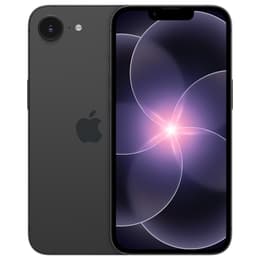
Refurbished price:$500.00
Versus $599.00 new

Refurbished price:$506.00
Versus $599.00 new
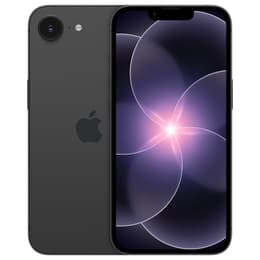
Refurbished price:$524.00
Versus $599.00 new

Refurbished price:$525.00
Versus $599.00 new
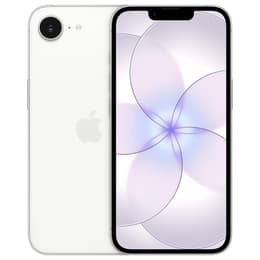
Refurbished price:$525.00
Versus $599.00 new
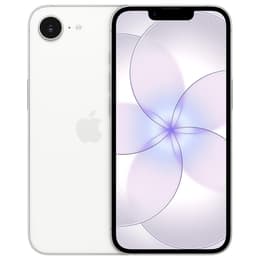
Refurbished price:$525.00
Versus $599.00 new
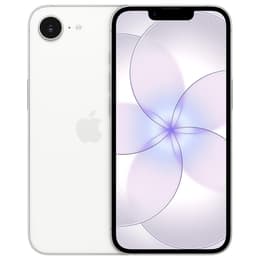
Refurbished price:$599.00

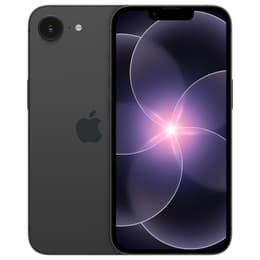
Refurbished price:$741.00
Versus $799.00 new
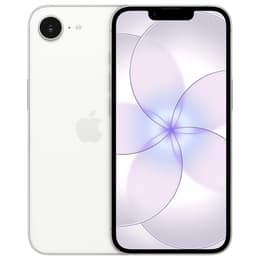

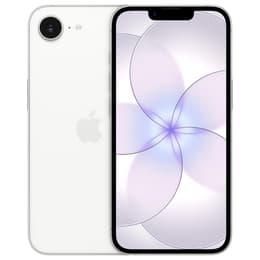
Best big-screen iPhone without Pro Max pricing: The iPhone 15 Plus

The iPhone 15 Plus gives big-screen buyers an alternative to Pro Max pricing.
✨ The iPhone 15 Plus is the better fit when screen space matters every day, and a Pro Max camera system would mostly just sit there looking expensive.
Pro Max pricing is a steep price to pay if the only reason you’re considering these models is that you want a bigger screen. But fear not: you have other options. If we had to cherry-pick one, we would steer you towards the iPhone 15 Plus.
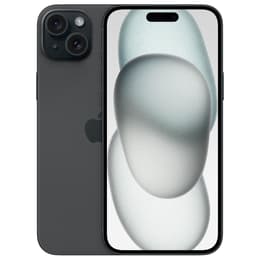
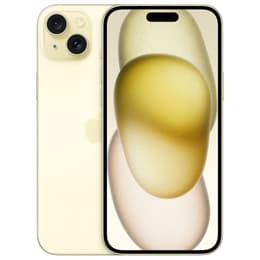
The iPhone 15 Plus features a 6.7-inch Super Retina XDR display, which is more than big enough for streaming, games, and large text if you’re someone who battles with their eyesight. It also offers Dynamic Island, which replaces the traditional notch. This interactive space is where alerts, live activities like flight statuses, and background music controls live.
With this model, you should also expect a larger body size, but it also helps the battery’s case. Apple rates it for up to 26 hours of video playback, placing it level with the much newer 17e on that particular measure.
And best of all? It doesn’t feel ancient during daily use. The iPhone 15 Plus gives you many of the other perks you would want in a phone, including USB-C charging, a 48MP main camera that can produce 2x optical-quality zoom framing, and an aerospace-grade aluminum frame for comfortable media sessions.
The downside is that it doesn’t have Apple Intelligence. While this might matter in a few years' time, though, it doesn't right now. Worth knowing too, the current iPhone Air, which is often something those considering iPhone 15s look at, offers Apple's thinnest design if size and weight matter more to you than a big screen. However, you trade some battery life and the second rear camera for it.
What are the pros and cons of the iPhone 15 Plus?
Pros ✅ | Cons ❌ |
|---|---|
Large 6.7-inch OLED display | No ProMotion display |
Up to 26 hours of video playback | No Apple Intelligence support |
USB-C charging | No separate telephoto lens |
48MP main camera |
What are the specifications of the iPhone 15 Plus?
Display: 6.7-inch Super Retina XDR OLED with Dynamic Island
Chip: A16 Bionic
Rear cameras: 48MP Main and 12MP Ultra Wide
Front camera: 12MP TrueDepth camera
Battery: Up to 26 hours of video playback
Storage: 128GB, 256GB, or 512GB
Charging: USB-C with MagSafe and Qi2 wireless charging up to 15W


- (1,571)
Refurbished price:$540.00
Versus $1,129.00 new

- (1,472)
Refurbished price:$444.00
Versus $829.00 new

- (1,472)
Refurbished price:$506.00
Versus $929.00 new
- (1,521)
Refurbished price:$663.00
Versus $1,129.00 new

- (39)
Refurbished price:$458.33
Versus $799.00 new

- (11)
Refurbished price:$458.33
Versus $799.00 new


- (11)
Refurbished price:$476.89
Versus $899.00 new

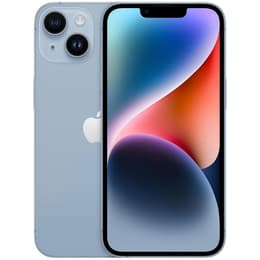
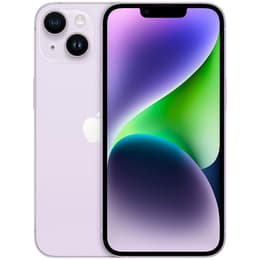
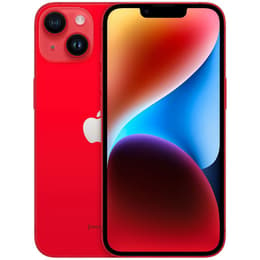
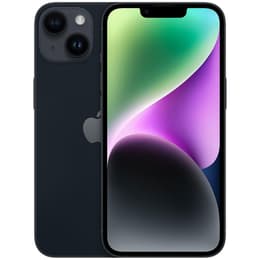
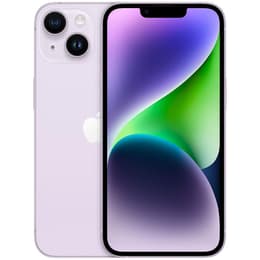
Best affordable iPhone for kids and seniors: The iPhone 14
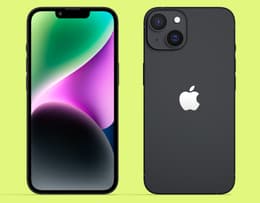
The iPhone 14 covers familiar everyday needs at a lower refurbished price.
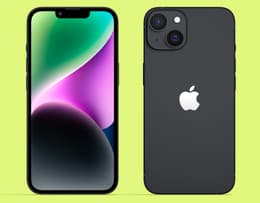
✨ The iPhone 14 is the best iPhone for seniors or first-time users who just need a capable phone more than the newest camera tricks.
If you're looking to buy an iPhone for a child or a senior, the best bet is usually the iPhone 14.
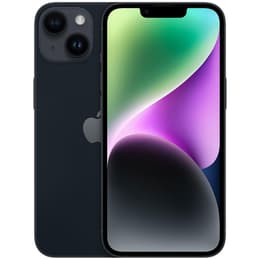
An iPhone 14 is one of the best phones for kids because it offers messaging and support for school apps — the most essential features for a child. In fact, some would argue these are more important than camera zoom, but most still find the 12MP main camera sufficient. Parents also tend to like the iPhone 14's A15 Bionic chip, 5-core GPU, and 6.1-inch OLED screen.
The iPhone 14 is also one of the best phones for seniors, especially those who are already familiar with iOS. With this model, Apple includes accessibility tools such as Zoom and Magnifier, which are known to be especially helpful for older eyes.
And for both children and seniors, the all-day battery is incredibly handy. This model offers up to 20 hours of video playback alongside fast charging capabilities. With its 20W adapter, it can charge up to 50% in about 30 minutes. That’s pretty impressive for older tech.
It also remains compatible with iOS 26.5, so choosing an older model does not mean you’re sending someone into the software wilderness. However, its limitations are easy to identify before buying. It uses Lightning charging rather than USB-C and doesn’t support Apple Intelligence. Womp womp.
What are the pros and cons of the iPhone 14?
Pros ✅ | Cons ❌ |
|---|---|
Lower refurbished entry price | Uses Lightning charging |
Compatible with iOS 26.5 | No Apple Intelligence support |
Familiar 6.1-inch design | Older 12MP camera system |
What are the specifications of the iPhone 14?
Display: 6.1-inch Super Retina XDR OLED
Chip: A15 Bionic
Rear cameras: 12MP Main and 12MP Ultra Wide
Front camera: 12MP TrueDepth camera
Battery: Up to 20 hours of video playback
Storage: 128GB, 256GB, or 512GB
Charging: Lightning with MagSafe wireless charging up to 15W




- (92)
Refurbished price:$281.22
Versus $599.00 new


How do the best iPhones in 2026 compare?
These 6 iPhones answer different buying problems, so the useful comparison is not which one wins across the board, but which compromise you are least likely to regret later.
Model | Display | Chip | Rear cameras | Front camera | Zoom | Battery | Storage | Charging | Apple Intelligence | Main drawback | Price of new | Back Market price |
|---|---|---|---|---|---|---|---|---|---|---|---|---|
iPhone 17 | 6.3-inch OLED with ProMotion | A19 | 48MP Fusion Main and 48MP Fusion Ultra Wide | 18MP Center Stage | 2x optical-quality option | Up to 30 hours | 256GB or 512GB | USB-C with MagSafe and Qi2 wireless charging up to 25W | Yes | No separate long telephoto | $799 | $695 |
6.3-inch OLED with ProMotion | A18 Pro | 48MP Fusion, 48MP Ultra Wide, and 12MP Telephoto | 12MP TrueDepth | 5x optical telephoto | Up to 27 hours of video playback | 128GB, 256GB, 512GB, or 1TB | USB-C with MagSafe wireless charging up to 25W | Yes | Older generation | $999 | $645 | |
iPhone 17 Pro Max | 6.9-inch OLED with ProMotion | A19 Pro | 48MP Fusion Main, 48MP Fusion Ultra Wide, and 48MP Fusion Telephoto | 18MP Center Stage | 4x optical telephoto with an 8x optical-quality option | Up to 39 hours of video playback | 256GB, 512GB, 1TB, or 2TB | USB-C with MagSafe and Qi2 wireless charging up to 25W | Yes | Size and price | $1,199 | $969 |
iPhone 17e | 6.1-inch OLED | A19 | 48MP Fusion camera | 12MP TrueDepth | 2x optical-quality option | Up to 26 hours of video playback | 256GB or 512GB | USB-C with MagSafe and Qi2 wireless charging up to 15W | Yes | One rear lens | $599 | $470 |
iPhone 15 Plus | 6.7-inch OLED | A16 Bionic | 48MP Main and 12MP Ultra Wide | 12MP TrueDepth | 2x optical-quality option | Up to 26 hours of video playback | 128GB, 256GB, or 512GB | USB-C with MagSafe and Qi2 wireless charging up to 15W | No | No ProMotion | $899 | $405 |
iPhone 14 | 6.1-inch OLED | A15 Bionic | 12MP Main and 12MP Ultra Wide | 12MP TrueDepth | 2x optical zoom out | Up to 20 hours of video playback | 128GB, 256GB, or 512GB | Lightning with MagSafe wireless charging up to 15W | No | Lightning connector | $799 | $269 |
*Back Market prices were taken on the date of publication — these are subject to change.
If you’ve looked at the table and are still considering the previous standard model, our iPhone 16 review examines its A18 chip and 48MP Fusion camera system in greater detail.
Shopping tips: buying the right iPhone for your needs
✨ Buy the least expensive iPhone according to your budget that includes the features you would genuinely miss, while also considering a trade-in to save even more.
If you’re still asking, “which iPhone should I buy?”, you might appreciate a few shopping tips that can help guide you.
Consider what your current phone gets wrong: One of the best ways to ensure you’re buying the right iPhone is to first have a serious discussion with yourself about what you like the least about your current phone. This will help you see where a newer model might give you the best benefit. Then, have a look at which iPhones meet your specifications currently and into the future.
Set a firm budget: Apple has a way of dressing up their newer models so attractively that it can tempt you to spend several hundred dollars more than you may have planned. To avoid this, set a firm budget and stick to it. Often, this isn't too difficult to do if you consider refurbished options, which offer more value for your money.
Trade in your current phone: Some refurbishers, like us at Back Market, offer device trade-ins. If you capitalize on this, you could sell your current tech to reduce the cost of your next iPhone. This not only helps your pocket but also means you’re doing your part to keep unwanted tech out of landfills.
How much do screen size and storage matter? [US]
Screen size and storage matter more than many people want to admit. For instance, if you buy a 6.1-inch iPhone, it will be far easier to carry and use one-handed, which, for some people who are always on the go, is ideal.
However, a Plus or a Pro Max has a bigger screen, which gives you more room for text, making it easier if you consume a lot of media or are always typing out emails. A bigger iPhone display and higher storage capability are also better for those who use their device for video purposes.
It’s also important to realize that many modern iPhones don’t feature upgradable storage. Gone are the days when you could buy a microSD card, slot it in, and be on your way. Nowadays, what you buy is all you have, which is why it's important to evaluate how much storage you may need depending on how you use your phone.
Additionally, before you buy, it’s crucial to measure the phone’s screen size and check its specs online to ensure you’re buying a size that you’re comfortable with. We don’t want to be that person… but product photos often make everything look pleasantly pocket-sized when the truth is very different.
Should Apple Intelligence affect your choice?
When Apple Intelligence was introduced back in 2024, Tim Cook, Apple's CEO, said: “Our unique approach combines generative AI with a user’s personal context to deliver truly helpful intelligence.” But what does this actually mean? To put it simply, it means that Apple Intelligence is meant to cut down time spent on everyday phone tasks.
You can use Apple Intelligence to proofread or rewrite text, summarize long emails and missed messages, remove distractions from photos (yes, that's right), translate conversations, and use the camera for a range of cool actions. With this in mind, Apple Intelligence is a tie-breaker for some people simply because of how much it offers.
Unfortunately, Apple Intelligence is only available on iPhone 15 Pro models and the iPhone 16 generation or later. Bear this in mind when deciding which iPhone to buy, and think about how much you’ll actually use these AI features to determine if they warrant consideration.
So, which iPhone should you get in 2026?
The answer to which iPhone you should get comes down to what you need. In our opinion, the best pick for most people is the iPhone 17 base model. It's the safest model with all the bells and whistles you might need.
On the other hand, the iPhone 17e is a great budget choice, and the 16 Pro is pretty decent when you want premium Pro-level features without paying for the newest Pro. If photography and battery life matter most, the iPhone 17 Pro Max is the standout. Yet, the iPhone 15 Plus is the winner for big-screen buyers who don't want to spend that Pro Max money, while the iPhone 14 is a little dated but still good enough for children and seniors who don't want or need anything fancy.
You should also keep in mind storage needs, your budget, refurbished options, and the shopping tips we shared to ensure you make the right decision. If you’d like to look at all of these models or have your eye on any tech that isn’t a phone or Apple-related, browse the full Back Market store to see everything we have on offer.